
Committed to preservation
Regenerative Farming
What is regenerative farming?
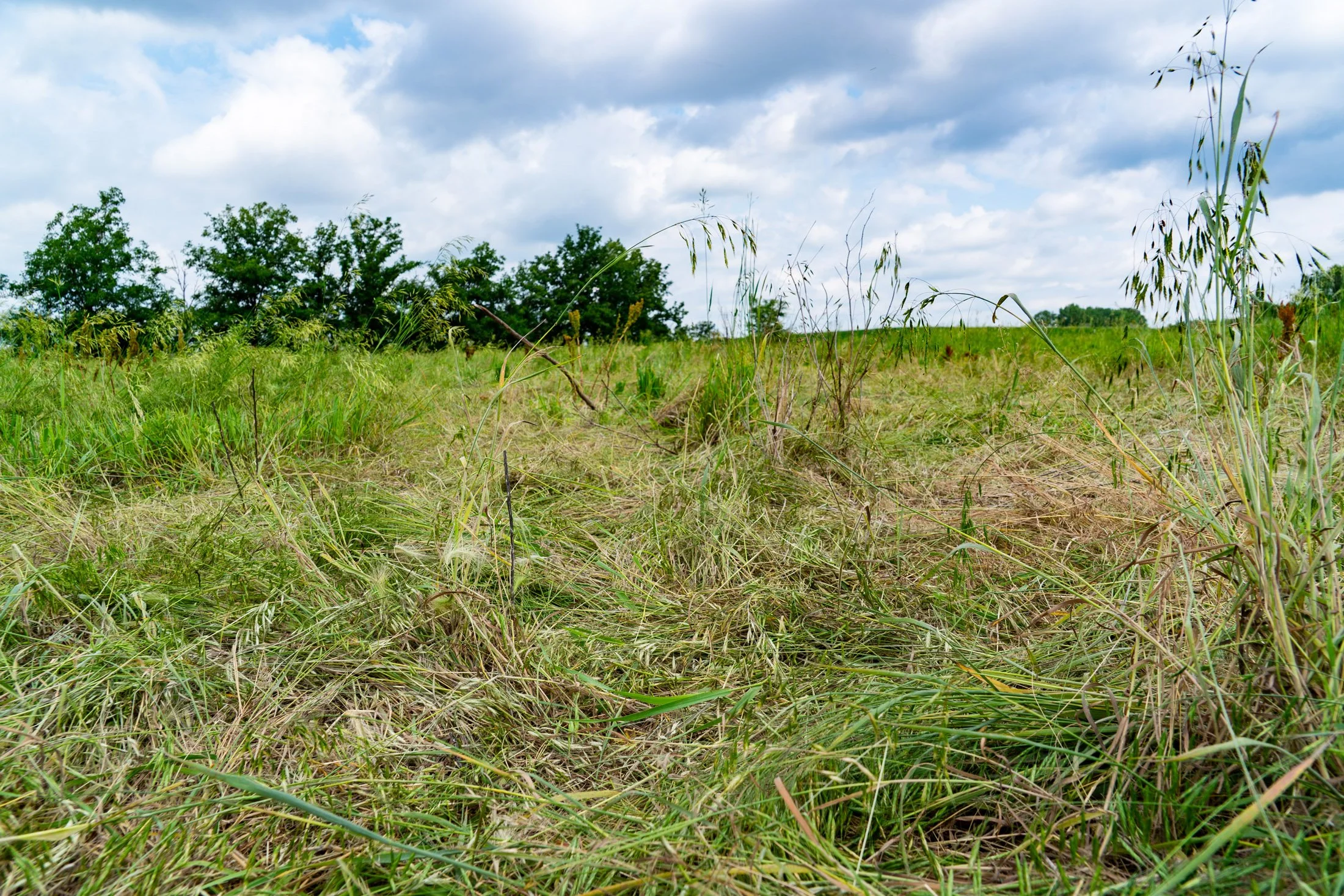
Regenerative farming is an innovative agricultural approach focused on restoring and enhancing the health of ecosystems while producing food. This method prioritizes soil health by using practices such as cover cropping, crop rotation, and reduced tillage, which increase biodiversity and improve soil fertility. By mimicking natural processes and fostering a holistic view of farming, regenerative agriculture aims to capture carbon, enhance water retention, and promote biodiversity. Ultimately, it not only seeks to produce high-quality food but also endeavors to create a sustainable future for our planet, benefiting both the land and local communities.
Benefits of Regenerative Farming
Soil Health
Regenerative practices such as cover cropping, crop rotation, and reduced tillage improve soil structure, increase organic matter, and promote microbial diversity. This leads to healthier, more fertile soils that retain water better and are more resilient to erosion.
Climate Mitigation
By emphasizing practices like agroforestry and composting, regenerative farming helps sequester carbon in the soil, reducing greenhouse gas levels in the atmosphere. This contributes to mitigating climate change while enhancing soil productivity.
Biodiversity
Integrating diverse crops, livestock, and native plants supports a wide range of organisms, from pollinators to beneficial insects. This biodiversity enhances ecosystem services such as pest control, pollination, and nutrient cycling, leading to more sustainable agricultural systems.
Doing it for the next generation.
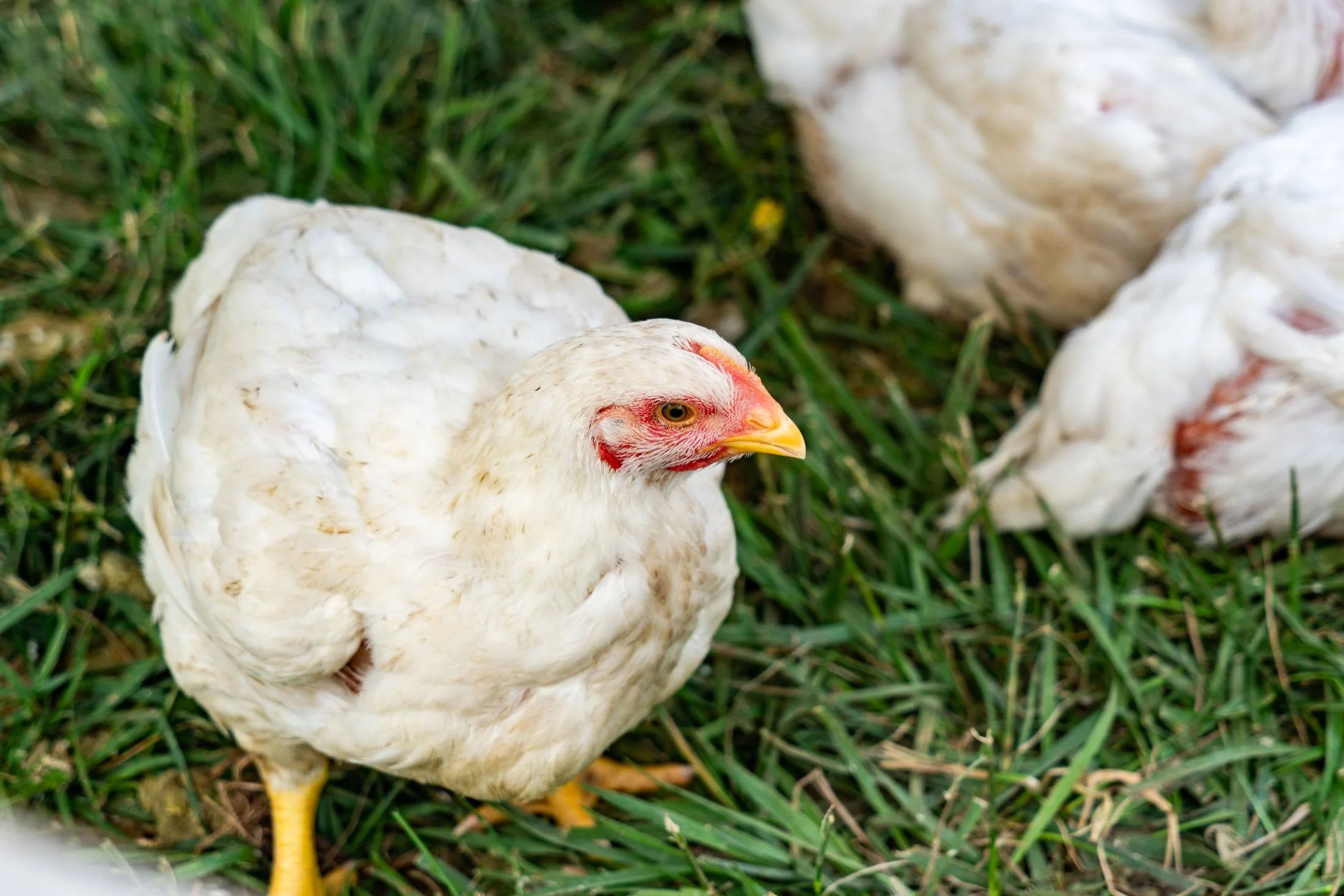
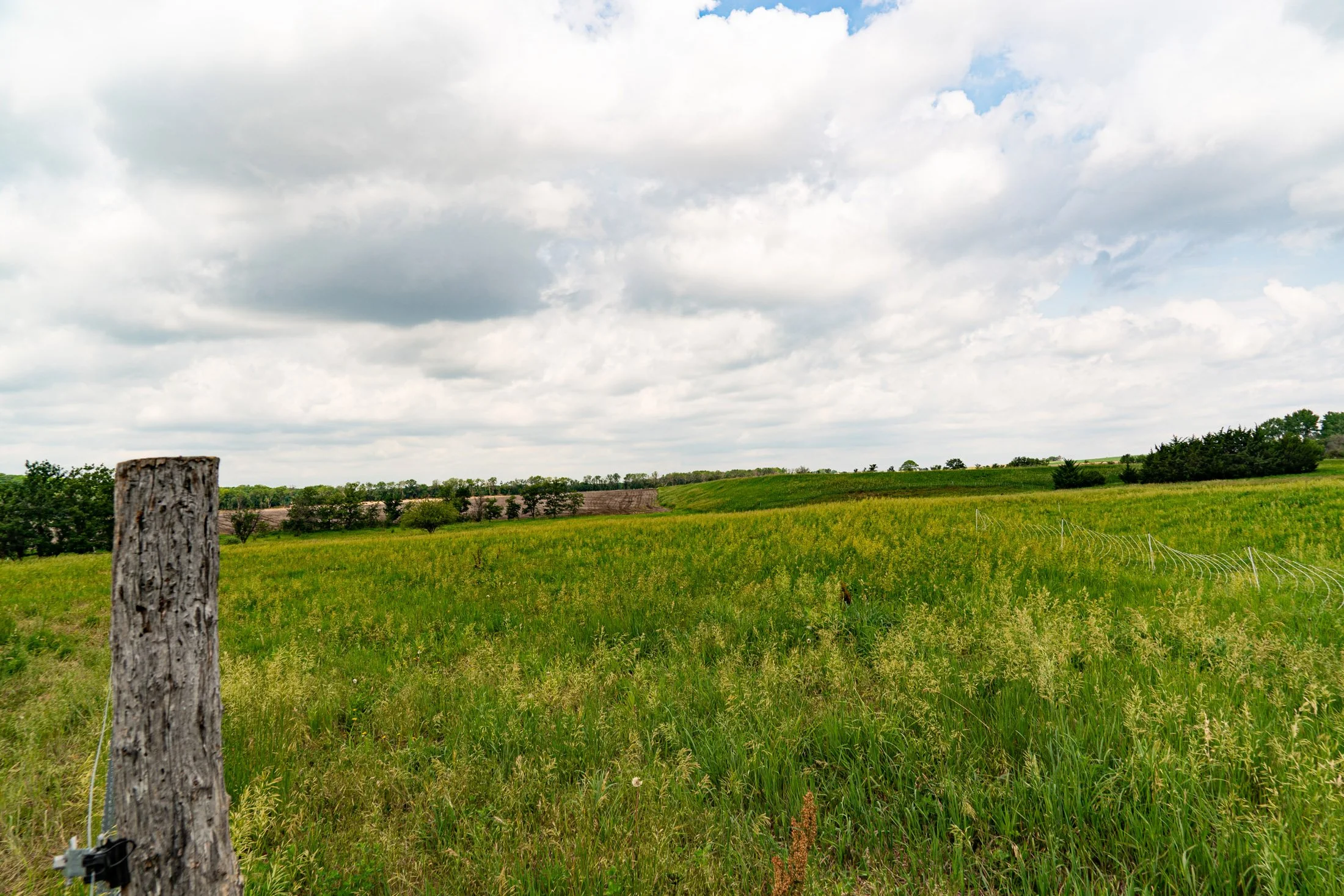
Regenerative farming is a holistic approach that focuses on restoring and enhancing the health of the land, ecosystems, and communities. By prioritizing soil health, biodiversity, and sustainable practices, regenerative farming creates a resilient agricultural system that contributes to the regeneration of our planet. This method emphasizes the importance of rotational grazing, cover cropping, and integrated pest management, which help to sequester carbon, improve water retention, and foster a thriving habitat for wildlife. Farmers committed to regenerative practices not only produce high-quality food but also play a crucial role in combating climate change and ensuring a sustainable future for generations to come.
Get to know us better
Contact us to learn more about T-House Farms and our foods.