Regenerative farming in Northeastern Kansas
About T-House Farms
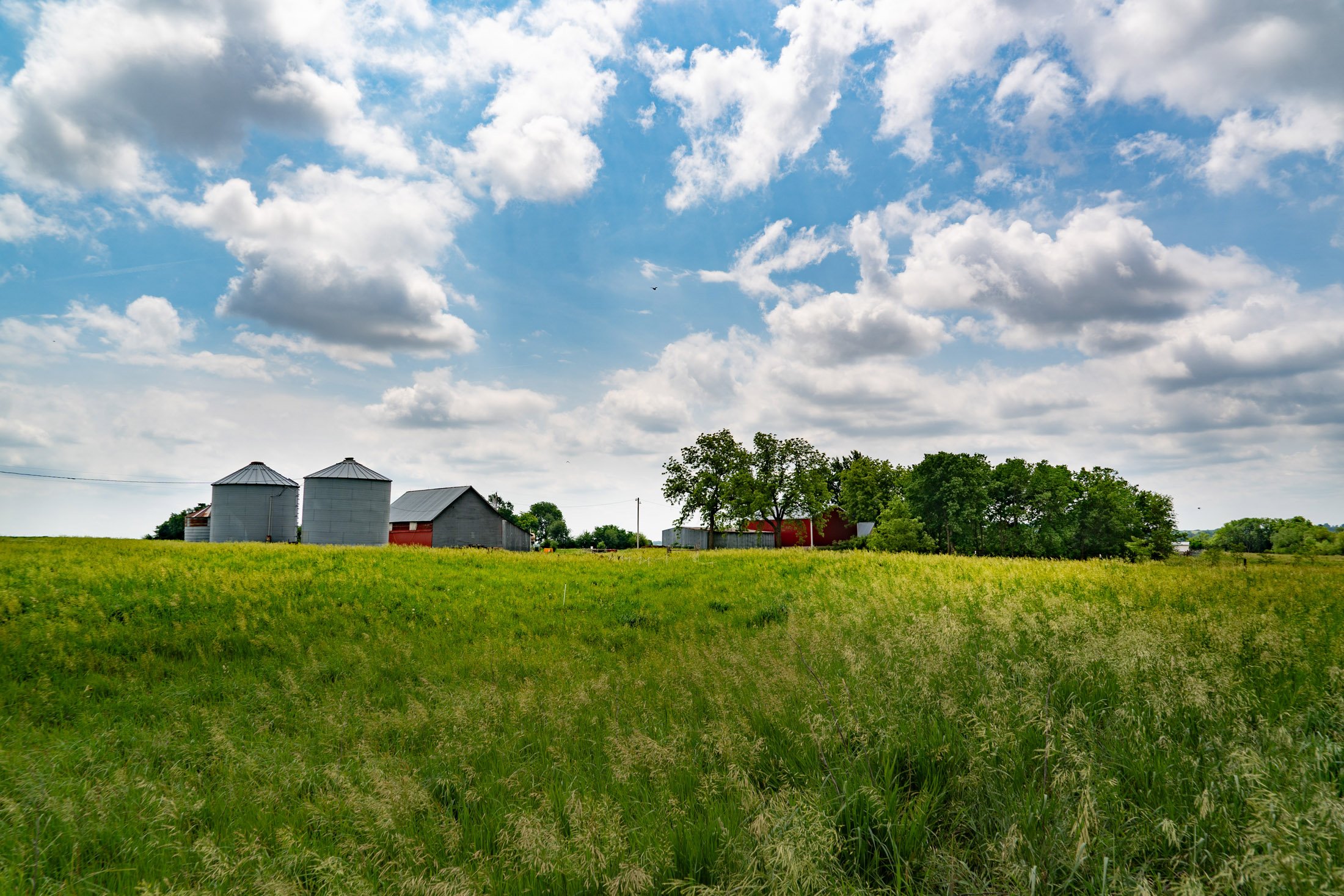
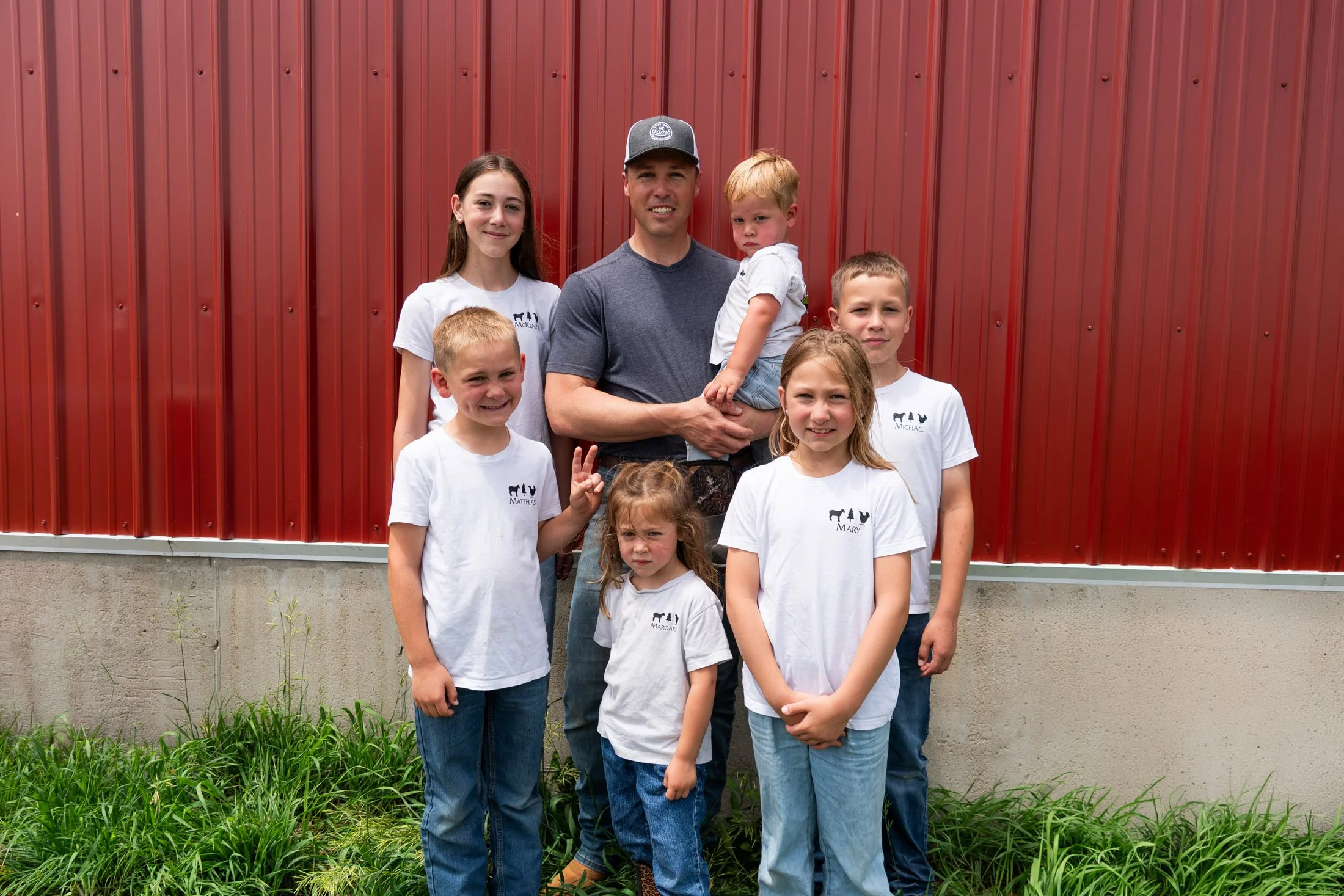
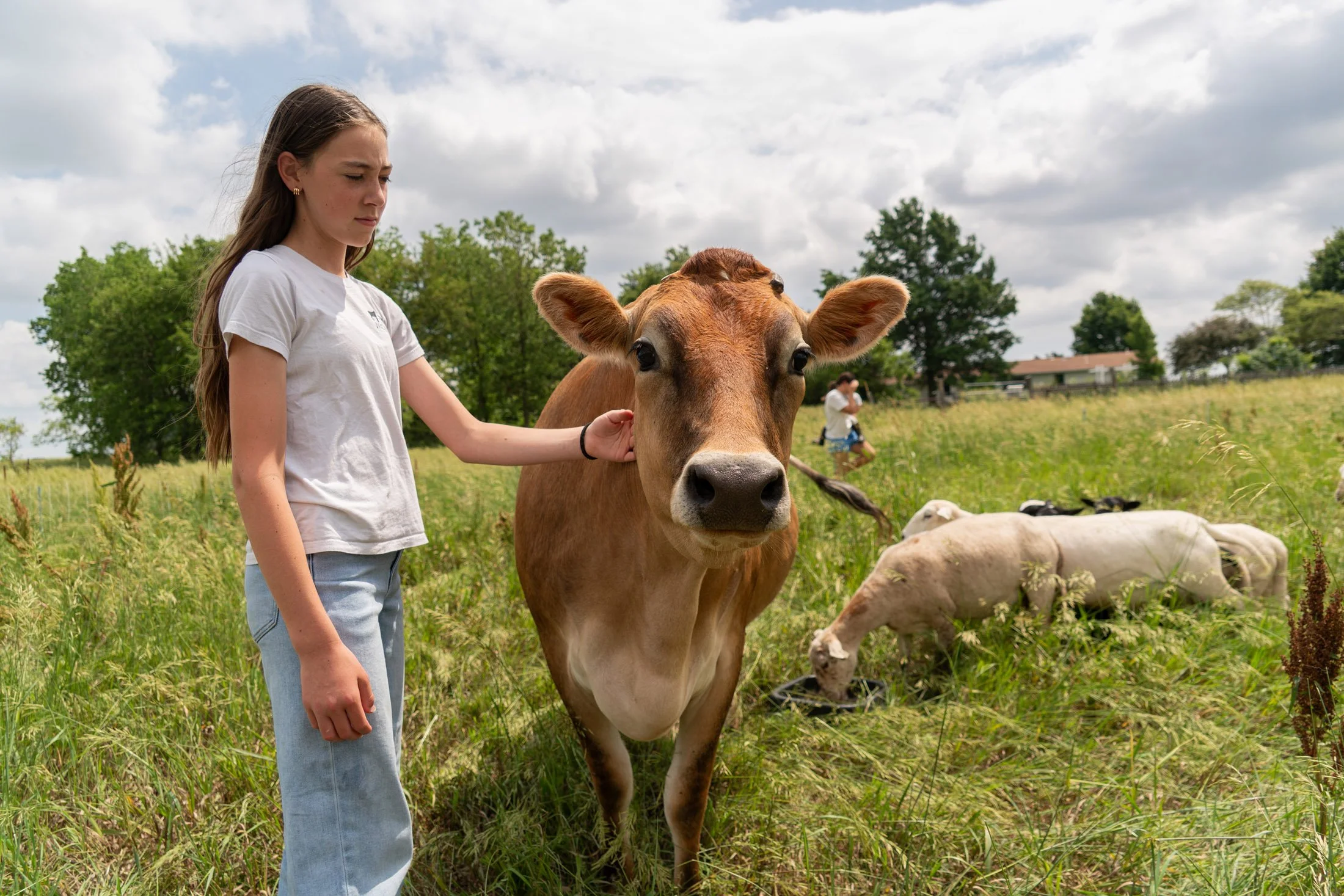
T-House Farms began in the late 1800s as a family-led Christmas tree farm. Over 125 years later the farm is still family owned, with five generations to live here. Our focus is on producing high quality food products while maintaining our farm land and the environment for generations to come.
Our Story
Creating superior meat products while regenerating the environment.
Regenerative farming is rooted in working with nature rather than against it, using time-tested ecological principles to restore soil health and resilience. By practicing bio-mimicry of bison—rotational grazing patterns that mirror how these animals once moved across native prairies—we encourage deep root growth and natural nutrient cycling. This approach builds strong soil aggregates, improving soil structure so it can better resist erosion and compaction. Healthier aggregates also increase water infiltration, allowing rainfall to soak into the ground instead of running off, which strengthens drought resistance and supports microbial life. Over time, these practices help draw carbon from the atmosphere and store it in the soil, making regenerative farming a powerful tool for long-term productivity and meaningful carbon sequestration.